An effective approach to sync data, transfer files, and even replicate your device’s screen is by connecting your phone to a Windows PC. But for some, the procedure could appear intimidating or strange. With the help of the finest advice in this article, you can easily connect your phone to a Windows PC for a seamless user experience and effective data management.
- Use a USB cable for the physical connection: Using a USB cable is the most popular and simple way to physically connect your phone to a Windows PC. Make sure you have a USB cable that is compatible with the port on your phone, such as a USB Type-C or Micro-USB cable. Connect the cable’s other end to a USB port on your computer and the other end to your phone. Your device will be instantly recognized by Windows, which will then install the required drivers and enable File Explorer access.
- Enable USB Debugging: It’s essential to enable USB debugging on your Android smartphone in order to build a successful connection. The developer settings are usually where you may find this option. You give your PC permission to access the information and features on your phone by activating USB debugging. To turn it on, open “Settings” on your phone, select “About Phone,” touch seven times on “Build Number” to open developer settings, then locate “USB Debugging” and turn it on. This procedure is essential for many things, including developing apps and sharing files with third-party applications.
- Make use of the Windows “Your Phone” software: This program from Microsoft enables smooth connection between your phone and Windows PC. It makes it possible to use functions like screen mirroring, photo sharing, and text messaging. Download the “Your Phone” app from the Microsoft Store after making sure your phone and computer are both connected to the same Wi-Fi network. Give the required rights after following the setup steps, logging in with your Microsoft account. Once configured, you may access your phone’s messages, alerts, and images straight from your PC, increasing convenience and productivity.
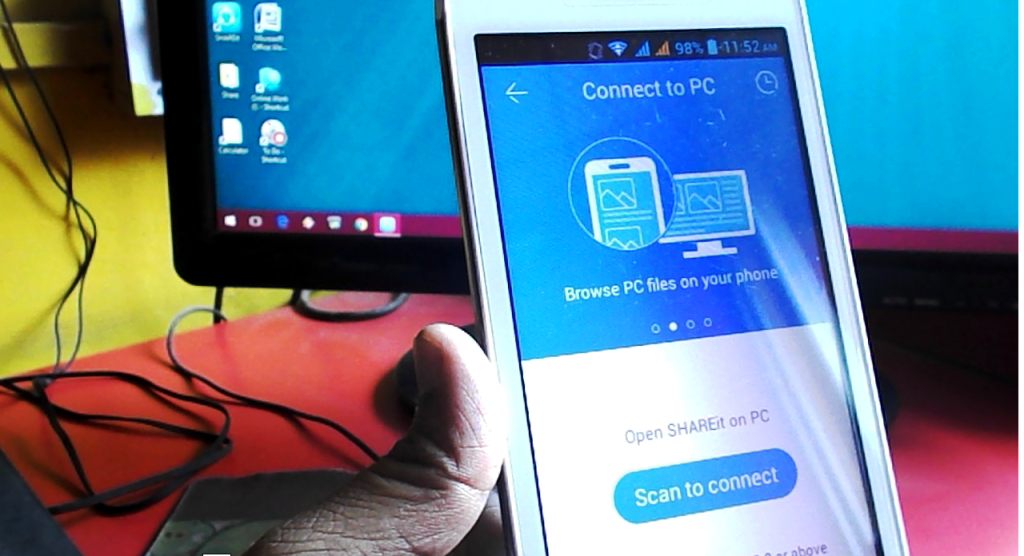
Use cloud storage services to connect your phone to a Windows PC wirelessly. Examples of these services are Google Drive, OneDrive, and Dropbox. Install the corresponding app on both your PC and phone, log in using the same credentials, and turn on automatic synchronization of the chosen files or folders. Any modifications you make on your phone will appear on your computer and vice versa. Without the use of physical connections or wires, this technique makes file sharing simple and guarantees data backup. - Use apps from third parties: You might need more features in some situations in addition to the built-in ones. Numerous phone-to-PC communication functions are available in third-party programs like AirDroid, Pushbullet, or Join. These programs allow for remote phone control from your PC, wireless file transfers, and notification mirroring. Install the app on both your phone and computer, then proceed with the setup steps to take use of the additional features. To protect your data and privacy, make sure you only download reliable programs from recognized sources.
The ability to connect your phone to a Windows PC offers up a world of data management, file sharing, and productivity opportunities. You can easily create a smooth connection by adhering to these best practices, giving you the ability to fully utilize the integration between your phone and computer.
Visit for more information aka.ms.yourpc.
 This Digital Era